


 Snow
Snow
















Can a Newborn Catch the Flu?
Share
Happy fall! While this time of year brings ample opportunities for new memories with your newborn, you might also be worried about the dreaded flu season. No worries -- we put together this quick RSV guide to help you feel prepared for the cooler months ahead.
A newborn can catch the flu, and babies younger than 6 months have the highest risk of needing a hospital stay because of it. The good news is that there are simple, proven ways to keep your baby safe. Let's walk through what you need to know as RSV and flu season begins.
Why Newborns, Preemies, and Preterm Infants Are More at Risk
Respiratory syncytial virus (RSV) is a highly contagious respiratory virus. While you might think the answer would be to get your baby a flu shot, babies under six months old are too young to receive one. Since their immune system is still learning how to fight germs, babies unknowingly depend on other people for protection.
For preemies, their lungs are not fully developed, which means they have an increased risk of RSV disease. The risk is heightened when it reaches the lower respiratory tract and inflames small airways.
Flu, RSV Infection, or a Cold? Signs to Watch For
The flu, RSV, and the common cold often start with the same symptoms. These illnesses usually begin with cold-like symptoms, such as a runny nose, cough, or fussiness. The flu often brings a fever, but many young babies with RSV never run a fever at all. Early RSV symptoms can seem mild before an RSV infection turns into a more serious respiratory illness.
RSV is the most common cause of bronchiolitis and can lead to pneumonia, so watching for worsening symptoms matters. Keep an eye out for these signs in your little one:
- Runny or stuffy nose
- Cough or wheezing
- Fever of 100.4°F or higher (taken rectally)
- Eating or drinking less than usual
- Being fussier or sleepier than normal
- Vomiting or diarrhea, which can happen with the flu
Preemies face even more risk because of their gestational age. Some high risk infants, including those with bronchopulmonary dysplasia or chronic lung disease and congenital heart disease, have increased incidence rates and a significantly higher risk of severe RSV disease and severe RSV infection.
When to Call Your Baby's Doctor
First, remember to trust your gut. No one knows your baby better than you do.
With RSV infection, symptoms can overlap with other respiratory illness. If your baby is younger than 3 months and has a fever of 100.4°F or higher, call the doctor right away, because preterm babies can worsen quickly from mild symptoms to severe RSV. For the flu, doctors can sometimes prescribe medicine that works best when it is started early.
RSV symptoms usually appear four to six days after exposure and may start as cold-like symptoms, including irritability or decreased feeding in infants. The disease can rapidly progress, so get medical help right away if you notice any of these warning signs:
- Fast breathing, grunting, or skin pulling in around the ribs
- Pauses in breathing
- Pale, gray, or blue color on the lips, skin, or nail beds
- Fewer than one wet diaper every 8 hours
- Much less alert or active than usual
- Needing urgent care for emergency department visits, oxygen, or mechanical ventilation can signal a life threatening illness
RSV Season Preemie Protection: RSV Vaccine, Vaccines and Immunizations
RSV season usually runs from late fall through early spring, which is right when flu season picks up too. The CDC recommends one of two ways to protect babies from serious RSV:
- An RSV vaccination for mom during pregnacy; or
- An RSV antibody shot after birht
For pregnant women, available data from clinical trials help guide these recommended vaccines, especially because preterm birth matters when looking at RSV risk in infants born early. The baby shot (Nirsevimab or Clesrovimab) starts working right away and lasts through a typical season, and the American Academy of Pediatrics says it is about 80 to 90 percent effective at keeping babies out of the hospital. Ask your NICU team, pediatrician, or other healthcare professionals and health care providers which option is right for your preemie, especially if your baby is coming home during RSV season, since these steps can be especially important for high-risk infants while some babies may be considered lower risk.
Build a Cozy Bubble of Protection at Home for High Risk Infants
Since your baby can't get a flu shot until 6 months, the next best step is to protect everyone around them. Doctors sometimes call this "cocooning." Small daily habits really do add up, and our guide on caring for a premature baby after the NICU has even more tips. Here are some easy places to start:
- Ask everyone in your home who is 6 months or older to get a flu shot
- Palivizumab is a monoclonal antibody used for RSV prevention in some high risk infants, and can be given as monthly injections
- Wash hands with soap for at least 20 seconds before holding or feeding baby, since RSV is highly contagious
- Limit visitors, and kindly ask sick friends to wait until they feel better to reduce RSV exposure
- Skip crowded places when you can during the peak of the season, including day care settings or other places where children gather in large groups
- Keep siblings home when they're sick, since household contact is one of the biggest risk factors for RSV hospitalization
- Save kisses for baby's feet instead of their face
- Keep your home free of smoke
- Offer breast milk if you can, since it shares helpful antibodies
Keeping Your Baby Snug and Comfortable
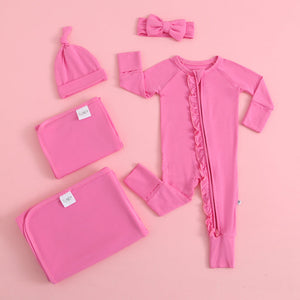
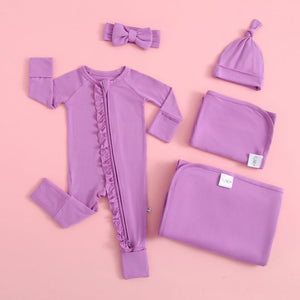
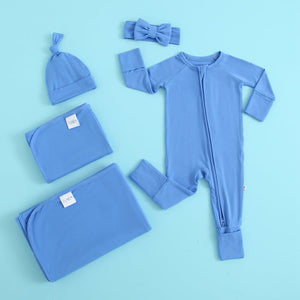
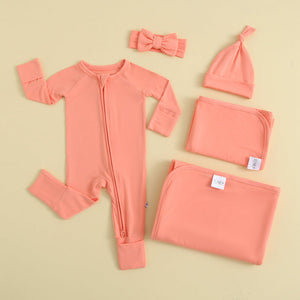
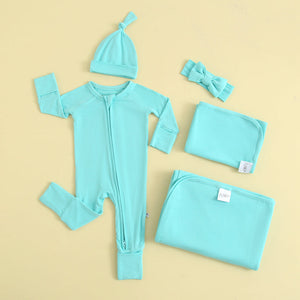
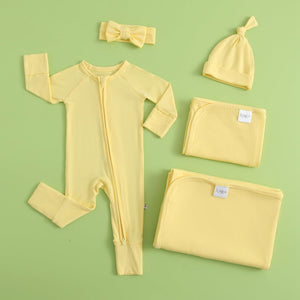
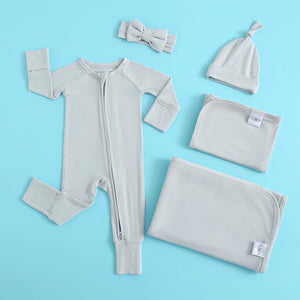
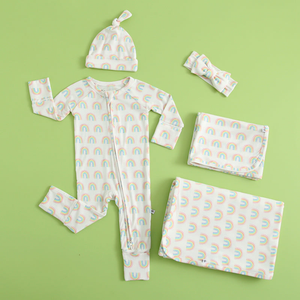
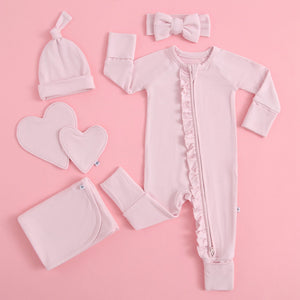
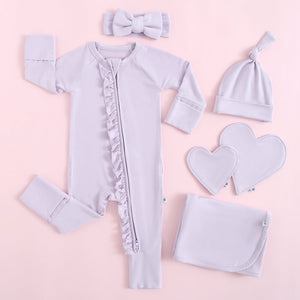
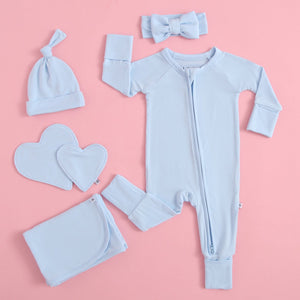
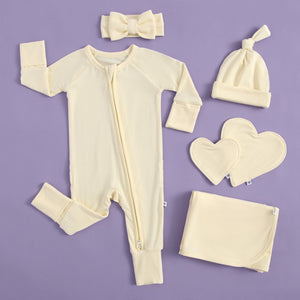
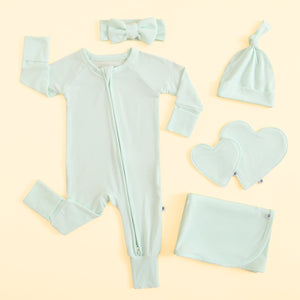
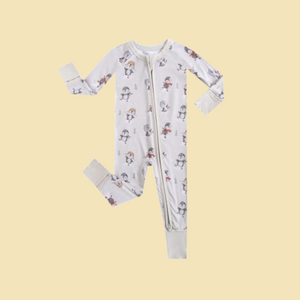
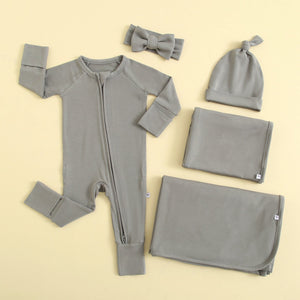
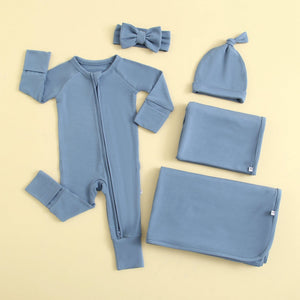
Comfort matters too, especially on chilly fall and winter days. Dress your baby in soft, breathable layers so they stay warm without getting too hot. Tip: our zippered rompers make diaper changes and doctor checks quick and easy, so your baby can stay cozy.
Don't Forget to Take Care of Yourself!
Caring for a newborn during cold and flu season can feel like a lot. Please remember that you are doing a wonderful job, and every careful step you take makes a difference. Rest when you can, accept help from people you trust, and never be afraid to ask your care team a question.
Helpful Resources for Parents
These trusted websites share more about keeping babies healthy during flu and RSV season. Bookmark them so they are easy to find when you need them. Always check with your baby's doctor about what is best for your child.