


 Snow
Snow















How to Care for a Premature Baby After Coming Home from the NICU
The day has come! You are able to take your baby home from the NICU. After weeks, or maybe even months, of beeping monitors, hospital smells, and long days in a recliner chair, you finally get to walk out those doors with your little one in your arms.
You've already done so much to get here, and you don't have to figure out the rest alone.
Getting Started
It is completely normal to feel both joyful and scared when transitioning from the NICU to home life. Many families find comfort in connecting with other NICU parents through communities like Hand to Hold, a nonprofit that offers free peer support and mentoring for families of premature and medically fragile babies.
Before you leave the hospital, lean on your NICU nurses for a solid discharge plan. The baby's care team, including nurses, doctors, and specialists, provides collaborative support to help you understand your baby's unique needs and medical procedures. After your NICU stay, don’t be shy about calling your pediatrician with questions once you’re home.
Feeding Your Baby
Feeding a premature baby at home takes a lot of patience and understanding. For premature infants, human milk from mothers is especially important, as breast milk provides vital nutrients and antibodies that support baby's growth and immune system development. However, your baby can also be on a formula designed for preemies, or a combination of that and breast milk.
Many preemies tire easily during feedings, so shorter, more frequent sessions often work better than longer ones. In the NICU, premature babies may start with tiny feedings of about five milliliters every three hours, gradually increasing to one or two ounces as they grow and can coordinate sucking, swallowing, and breathing.
Bottle feed is also an important feeding method for preterm babies, especially when transitioning from tube or IV nutrition, as it helps support growth, coordination, and bonding. The March of Dimes has a helpful feeding guide specifically for preemie families that walks you through what to expect week by week.
Managing Health
Premature babies are at higher risk for certain health challenges, including respiratory infections and sudden infant death syndrome (SIDS). To help protect your baby, keep their environment smoke-free and avoid crowded places, especially during cold and flu season. Practicing good hand hygiene and limiting visitors can also reduce the risk of illness.
A Positive Bedtime Routine
Sleep is when your baby does some of their most important growing, so protecting it matters. When nighttime comes, you can certainly bathe your baby, but avoid bathing daily. Too frequent washing can cause dryness.
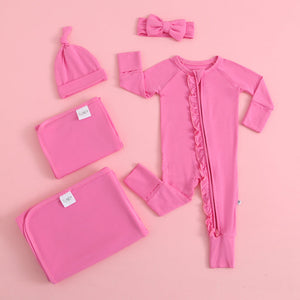
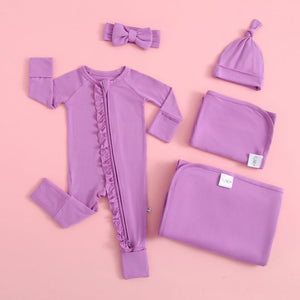
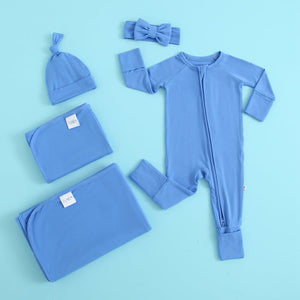
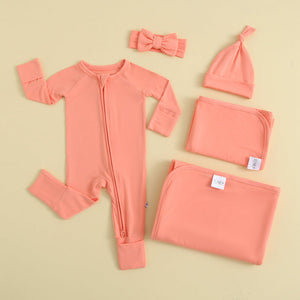
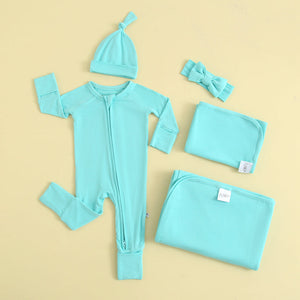
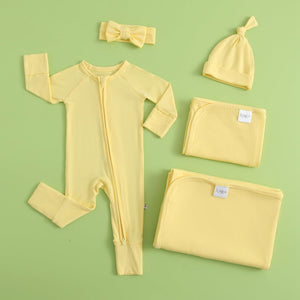
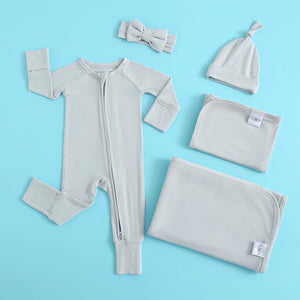
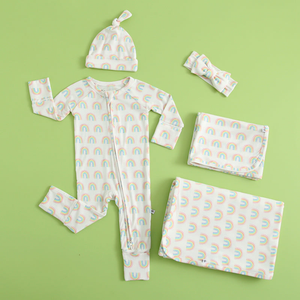
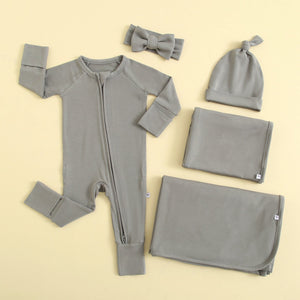
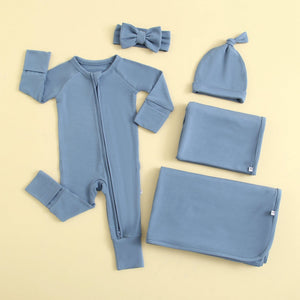
Always place your preemie on their back on a firm, flat surface. The American Academy of Pediatrics recommends this for all babies, including those born early. Keep the sleep space simple: no loose blankets, no pillows, and no padded bumpers. A soft, breathable swaddle blanket, like the ones we sell here, can help your baby feel snug and secure without any of the risk.
It's also important to maintain a comfortable room temperature between 68 to 72°F to help your premature baby regulate their body temperature and prevent overheating.

Hitting the Road Safely
Every parent, regardless if they had a preemie baby or not, is nervous about the first drive home. However, rest assured that there are steps you can take to feel just a bit more secure.
Before leaving the NICU, your baby will likely go through a car seat tolerance test to make sure they can sit safely in a semi-reclined position without drops in oxygen. Use a rear-facing infant car seat and never place your baby in a car seat at an angle greater than what is recommended, as their airway is still developing. If you need guidance on which seat is right for your baby’s size and weight, the American Academy of Pediatrics car seat guide is a trusted resource.
And, as always, drive safely, under the speed limit, and follow traffic laws.
Skin-to-Skin and Bonding
Skin-to-skin time, AKA Kangaroo Care, is one of the best things you can do for your premature baby, even at home. Interacting with your baby through rocking, touching, and talking is essential for their development and helps establish a strong parent-infant bond.
Research shows skin-to-skin time helps stabilize the baby’s heart rate, improve sleep, and support healthy weight gain. Skin-to-skin is beneficial for all babies, including sick babies in the NICU, as it provides comfort and reassurance. Try to do it daily, holding your bare baby against your chest for at least an hour when possible.
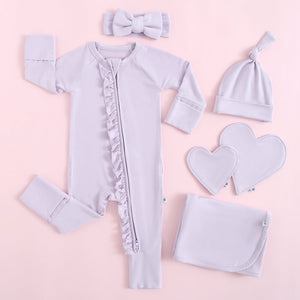
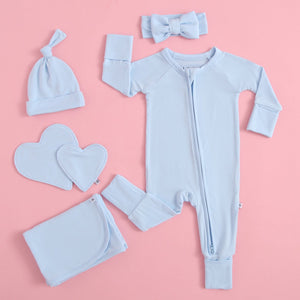
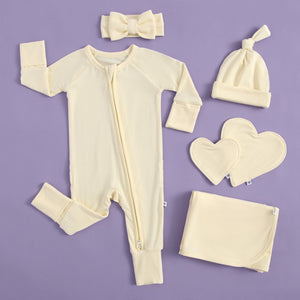
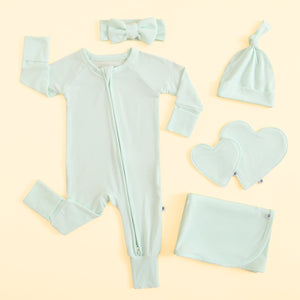
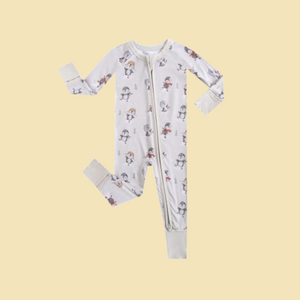
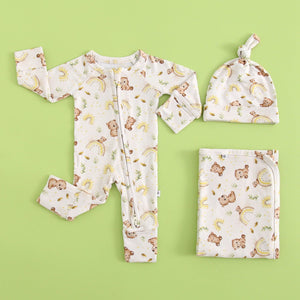
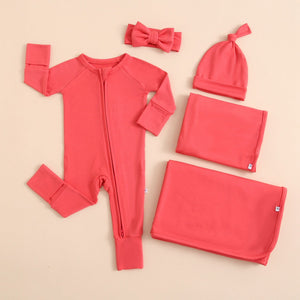
Hint, hint: Dressing your baby in NICU-friendly clothing, like our zippered bamboo rompers from Luxie Charm, makes getting in and out of kangaroo care much easier on both of you!

Ongoing Care and Support
The journey doesn’t end when you leave the hospital. Ongoing care is essential for your premature baby’s continued growth and development. Schedule regular follow-up visits with your pediatrician to monitor your baby’s progress and discuss any concerns about feeding, nutrition, or development. Your baby’s care team can help you adjust feeding plans, answer questions about introducing new foods, and provide tips for supporting your baby’s health at home.
Connecting with other parents of premature babies through support groups or online communities can be a tremendous source of comfort and advice. Stay informed about recommended vaccinations, including the RSV vaccine, which can help protect your baby from severe respiratory syncytial virus infection.
By working closely with your care team and staying proactive, you’re giving your baby the best possible start.