


 Snow
Snow



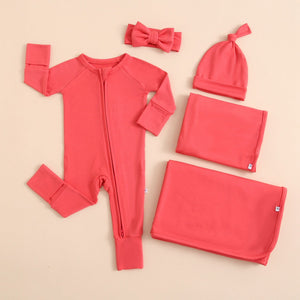


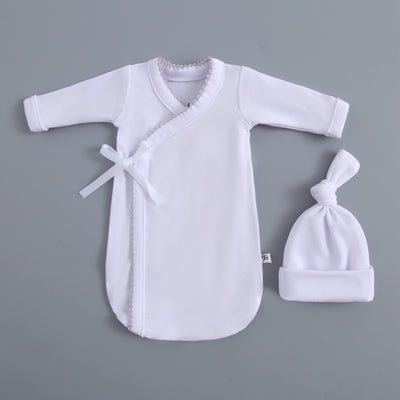


All About Newborn Clothing
Share
Bringing home a newborn comes with many sweet moments... and plenty of questions for new parents. Because babies grow rapidly during their first weeks of life, newborn clothing often fits for only a short period of time. As families prepare to dress their little one, a common question families wonder is when babies grow out of newborn clothes. Unfortunately, the answer isn't so simple. How long babies actually wear newborn clothes can vary widely. Not all babies fit in newborn sizes for the same amount of time, as factors like birth weight and body length play a role. Understanding how long newborn sizes typically last, when babies change clothing sizes, and how a baby's growth rate affects when they need to size up can help parents feel more prepared during the early days with their baby. Remember, every baby grows at their own pace, so clothing needs will be unique to each child.
Understanding Newborn Clothing Sizes
Newborn clothing sizes are typically designed to fit babies weighing about 5–8 pounds and up to around 21 inches long. These measurements are only guidelines, and babies grow at different rates. A baby born closer to 8 pounds may move into 0–3 month clothing much sooner than a smaller baby. Birth weight plays a big role in how long a baby will wear newborn clothes, as babies with higher birth weights often outgrow this size faster.
Some babies even skip newborn clothing entirely. If a baby is larger at birth, newborn outfits might feel tight right away, and parents may start with the next size up. The difference between newborn and 3 month sizes is important -- newborn is generally for babies up to 8 pounds, while 0-3 month clothing fits babies from about 8 to 12 pounds, so understanding these distinctions helps with wardrobe planning. On the other hand, smaller babies or premature babies may wear newborn clothing for several weeks.
Because sizing varies across brands, it’s always helpful to check the weight and length guidelines on clothing tags rather than relying only on the size label. For example, one brand’s 'newborn' size may be similar to another brand’s '0-3 months,' so comparing sizing charts is key to finding the right fit. Understanding baby clothing sizes and reviewing sizing charts can help parents choose clothes that fit well and last longer. Most newborn clothes are designed for babies up to 8 pounds and 21 inches, but always check the specific size and weight range for each brand.
Signs Your Baby Is Outgrowing Newborn Clothes
Babies don’t stay one size for long, so it’s helpful to recognize when it’s time to move up. Newborn clothing should feel comfortable and allow your baby to move freely. How newborn clothes fit is important not just for comfort, but also for practicality during daily care.
Common signs your baby is ready for the next size include:
- Snaps or buttons pulling open
- Sleeves or pant legs looking too short
- Footed pajamas pressing tightly on toes
- Onesies riding up or becoming difficult to snap
- Red marks on the skin after wearing clothes
- Tight clothing making frequent diaper changes more difficult
If clothing feels tight or difficult to put on, it’s usually time to switch to 0–3 month clothing. Easy-to-change outfits are especially helpful for frequent diaper routines, making daily care simpler for both parents and babies.
When Do Babies Change Clothing Sizes?
Babies grow extremely quickly during the first few months of life. On average, newborns gain about 1.5 to 2 pounds per month during early infancy, which means clothing sizes change rapidly. Babies grow quickly, and since babies grow fast, it's important to plan a flexible wardrobe and avoid over-purchasing in the smallest sizes.
A typical clothing progression might look like this:
- Newborn: Birth to about 2–4 weeks (some babies may wear newborn clothes for up to 6 weeks)
- 0–3 months: Around 1–3 months old
- 3–6 months: Around 3–6 months old
- 6–9 months: Around 6–9 months old
However, every baby grows differently. How long do babies stay in each size can vary based on their weight, age, and growth rate. Some long babies may remain in a particular size for a longer period, while others move through sizes quickly during a growth spurt.
Because of this, many parents choose to buy fewer newborn pieces and more items in the next size up.
How Many Newborn Clothes Should You Buy?
Because babies outgrow newborn sizes quickly, it’s best not to purchase too many items in this size. Most parents find that having 5–10 newborn outfits is usually enough. When planning how many outfits you need, consider your laundry routine -- if you do laundry less often, you may need a few extras. Think about how many clothes are truly essential to avoid overbuying, since babies grow fast and may not wear everything.
A simple newborn wardrobe might include:
- 5–7 bodysuits or onesies
- 3–5 sleepers or footed pajamas
- 2–3 swaddles or sleep sacks
- 1–2 hats
- 3–5 pairs of socks or mittens
- 2–3 pairs of pants, which are versatile for layering and adjusting to different temperatures
You can also use other clothing, like cardigans or jackets, for layering as needed.
If your baby grows quickly, you can always add more clothing later, but avoid buying more outfits than necessary until you know what fits and what your baby actually wears. When packing for the hospital, consider how many newborn outfits you’ll need -- usually 2–3 is enough for those first days. A practical daily rotation is two outfits per day, which helps keep your baby comfortable and prepared for messes. One outfit typically includes a bodysuit or onesie, pants, and socks or mittens. As your baby grows, plan ahead for 0-3 month clothes, since they’ll likely move into this size soon. Thoughtful planning of your baby's wardrobe helps ensure you have what you need without excess. Organizing your baby's closet by size and type makes it easier to manage clothing as your baby grows. Choosing versatile pieces in neutral colors is a safe bet for mixing and matching.
How to Care for Newborn Clothes
Newborn clothing needs gentle care because babies have sensitive skin. Choosing soft fabrics and washing clothes properly helps keep your baby comfortable.
Here are a few helpful care tips:
- Wash clothes before the first wear to remove any residue from manufacturing.
- Use fragrance-free baby detergent to avoid skin irritation.
- Wash baby clothes separately from heavily soiled laundry.
- Choose soft fabrics like cotton or bamboo that allow skin to breathe.
- Avoid fabric softeners, which can irritate delicate skin.
Many newborn outfits and swaddles are designed to be machine washable, which helps busy parents keep laundry simple during those early weeks.
Sustainable Baby Clothing Options
Dressing your newborn is one of the joys of early parenthood, but with babies growing so quickly, most parents notice that newborn clothes are only worn for a few weeks before it’s time to size up. This rapid growth can lead to a lot of barely-used baby clothes piling up, which is why many parents are now considering sustainable baby clothing options for their little ones.
One of the best ways to make your baby’s wardrobe more eco-friendly is by choosing newborn clothes made from organic cotton. Organic cotton is not only gentle on your baby’s delicate skin, but it’s also grown without harmful chemicals, making it a safer choice for both your child and the environment. Many brands now offer organic cotton onesies, sleepers, and other newborn outfits that are soft, breathable, and perfect for sensitive skin.
Another sustainable approach is to embrace second-hand baby clothing. Babies wear newborn clothes for such a short time that many outfits remain in excellent condition. Swapping clothes with friends or family, or shopping at consignment stores, can help you find adorable, gently-used baby clothes while reducing waste. Hand-me-downs are a time-honored tradition that not only saves money but also gives new life to tiny outfits that might otherwise go unused.
Finally, caring for your baby’s clothes in an eco-conscious way can make a big difference. Wash newborn clothes in cold water, skip fabric softeners and bleach, and hang items to dry whenever possible. These simple steps help preserve the softness of baby clothing and extend the life of each piece, so your baby can enjoy their favorite outfits for as long as they fit.
By making thoughtful choices about the baby clothes you buy and how you care for them, you can build a sustainable, comfortable wardrobe for your little one. Whether you opt for organic cotton, second-hand finds, or eco-friendly brands, every small step helps protect the planet while keeping your baby cozy and stylish during those precious first few weeks.
Where to Buy Newborn Clothes
Finding comfortable, high-quality newborn clothing can make those early weeks much easier. Parents often look for clothing made with soft materials that are gentle on a baby’s sensitive skin.
Many families love shopping for newborn essentials such as:
- Swaddles
- Onesies
- Sleepers
- Soft blankets
- Cozy newborn outfits
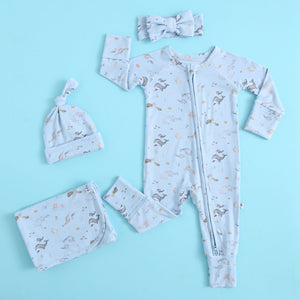
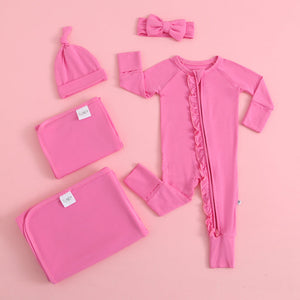
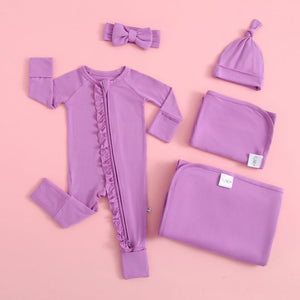
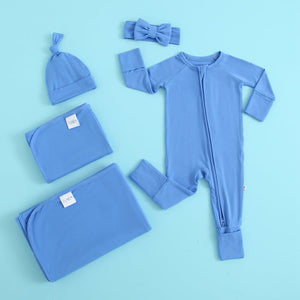
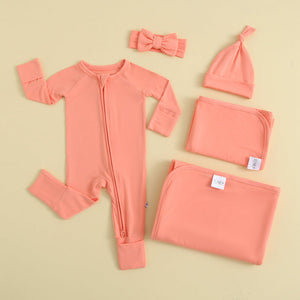
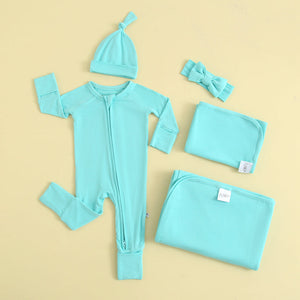
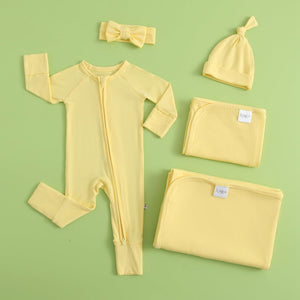
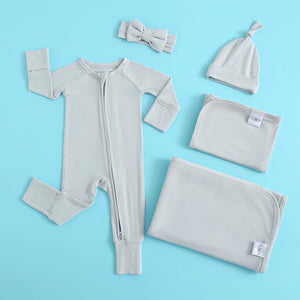
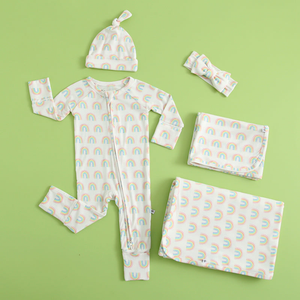
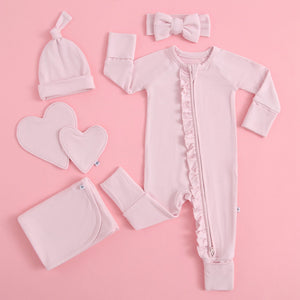
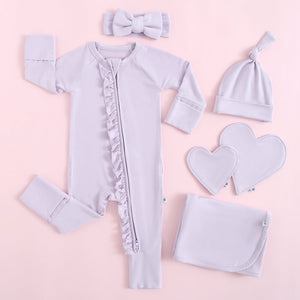
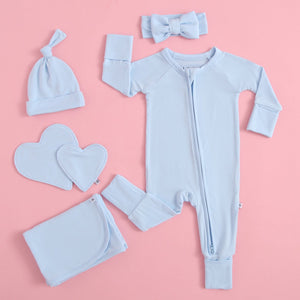
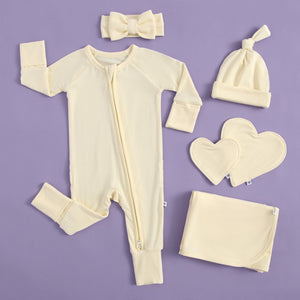
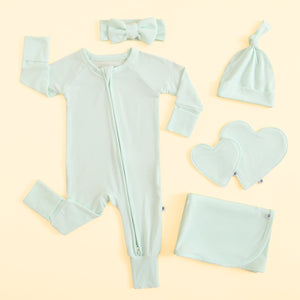
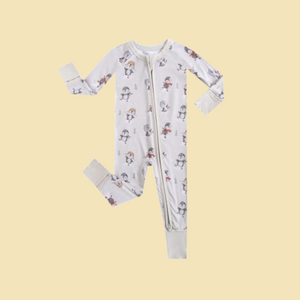
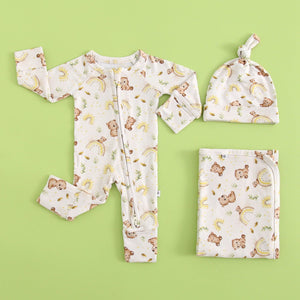
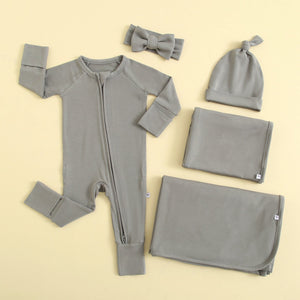
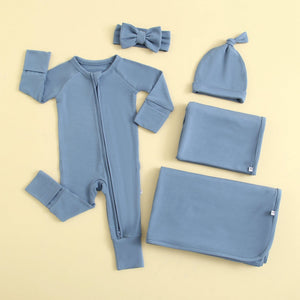
At Luxie Charm, we offer newborn clothing and swaddles designed with comfort and softness in mind. These types of pieces can help keep babies cozy while also making dressing and swaddling easier for parents.
Choosing high-quality fabrics is especially helpful during the newborn stage because babies spend much of their time sleeping, cuddling, and being swaddled.
Enjoying the Short Newborn Stage
The newborn stage passes quickly, and so does the time when babies fit into newborn clothing. While most babies only wear newborn sizes for a few weeks, those tiny outfits are part of many unforgettable first moments.
If your baby outgrows newborn clothes faster than expected, that’s perfectly normal. Babies grow rapidly in their first months, and moving into the next size simply means your little one is healthy and thriving.
The most important thing is choosing clothing that keeps your baby comfortable, warm, and easy to care for. With a few cozy outfits, soft swaddles, and a flexible wardrobe, you’ll be ready to enjoy every precious moment of your baby’s earliest days.
Helpful Resources for Parents
For more information about newborn clothing sizes and baby growth, you may find these resources helpful: