


 Snow
Snow













Keeping a Preemie Warm at Home Through the Colder Months
How do you keep a preemie baby warm? Dress them in soft, warm layers, keep your home between 68 and 72 degrees, hold your baby skin-to-skin often, and check their chest or back, not just their hands and feet, to make sure they feel warm enough.
If that sounds overwhelming, you're not alone. With cooler months approaching, it is completely normal to feel nervous about making your preemie comfortable. We wanted to break down some key habits to do and signs to look out for so that you feel a bit more supported with your baby.
For a preemie, staying warm takes a little more care than it does for a full-term baby because premature babies can have a harder time regulating body temperature. If you just brought your little one home from the NICU, take a breath. You already got your baby through the hardest part, and this guide will help parents and caregivers keep them warm and cozy through fall and winter.
Why Staying Warm Is Harder for Premature Babies
Premature babies have less body fat than full-term babies. Their bodies are still learning how to regulate temperature on their own while the immune system is still developing, which raises the risk of infection and serious respiratory illness. Newborns in general lose heat about four times faster than adults, and preemies lose it even faster because their skin is thinner and their systems are less developed. That is exactly why a NICU nurse checks your baby's temperature so often before sending you home. The neonatal intensive care unit is carefully set up to provide special care and reduce sensory overload for premature infants before they are ready to go home. Once you are home, that same watchfulness becomes your job, and a few simple habits make it much easier.

Dress Your Baby in the Right Layers
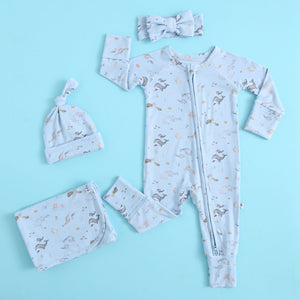
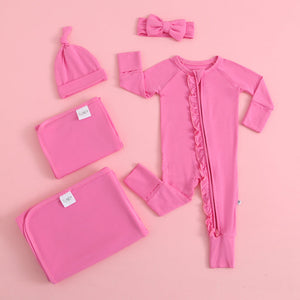
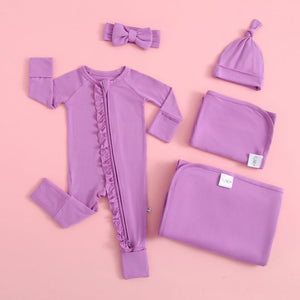
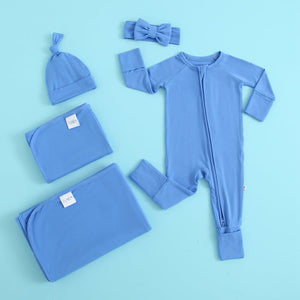
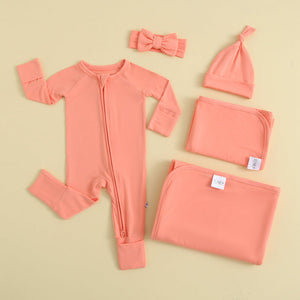
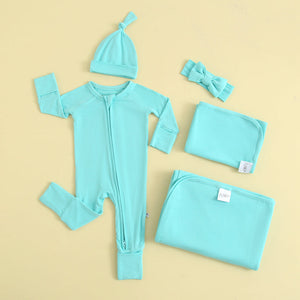
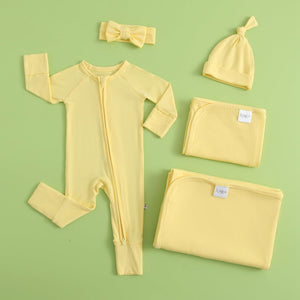
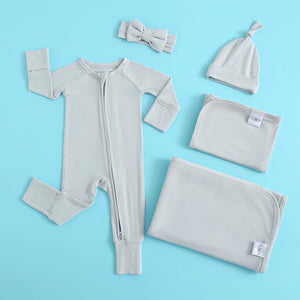
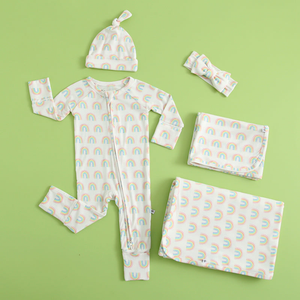
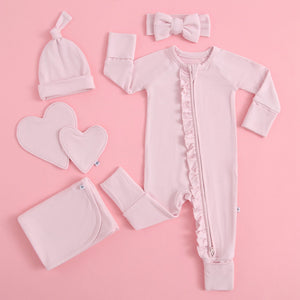
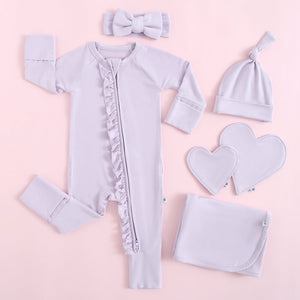
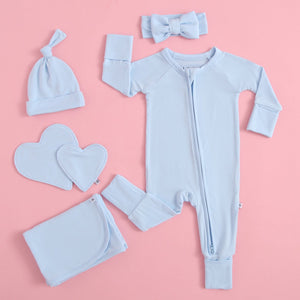
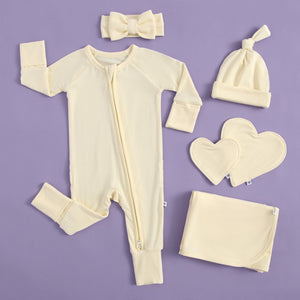
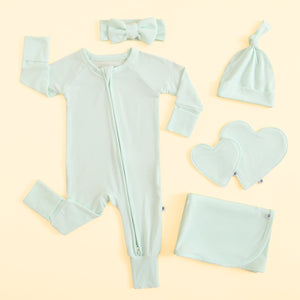
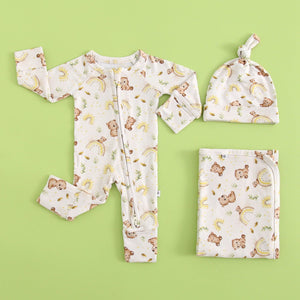
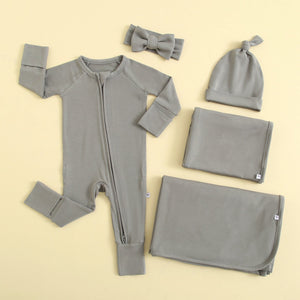
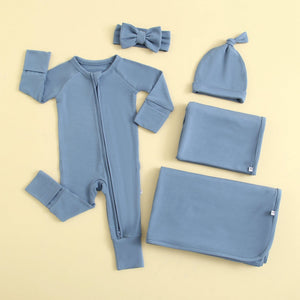
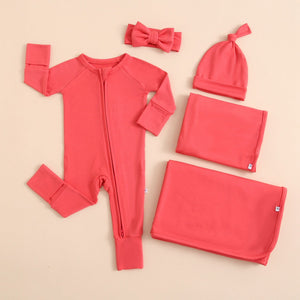
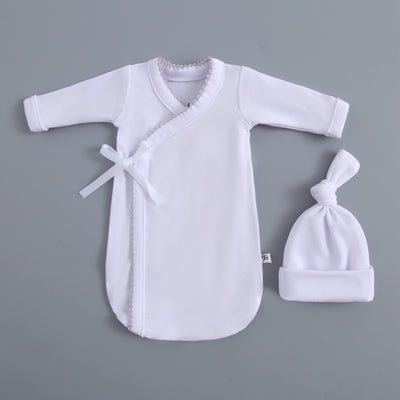
A good rule of thumb is to dress your preemie in one more layer than you would wear yourself. Keeping them warm also supports feeding and growth, since premature babies often need extra calories to grow well. Soft, breathable fabric matters just as much as the number of layers, since preemie skin can be sensitive and prone to irritation. This is exactly why we at Luxie Charm design our rompers, swaddle blankets, and beanie hats from bamboo viscose, a fabric that is naturally thermo-regulating and gentle on delicate skin.
Depending on your baby's care plan, some infant routines also include specialized feeding, such as breast milk with supplementation, because it provides important proteins for growth and helps build the immune system; some preemies may also have needed total parenteral nutrition (TPN) in the hospital before they could eat fully by mouth.
A few good layers to keep on hand:
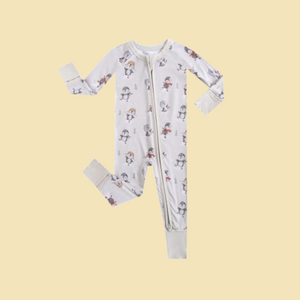
- A soft romper as a base layer
- A swaddle blanket for sleep and stroller rides
- A beanie hat, since babies lose a lot of heat through their head
- Soft socks or footed pajamas to keep tiny feet warm
(Hint: some of these items can be found on our website! They are linked above)
Skip heavy loose blankets in the crib, though, since they can be a suffocation risk. A wearable swaddle or sleep sack is the safer choice for naptime and nighttime.
Keep the Room Cozy, Not Hot
Aim to keep your home between 68 and 72 degrees Fahrenheit, which is warm enough for a preemie without overheating a full-term sibling or the rest of the family. It is tempting to bundle your baby up even more once the room feels warm, but overheating a baby is linked to a higher risk of SIDS, so more layers are not always better. A simple way to check is to feel the back of your baby's neck or chest. If it feels warm and dry, not hot or sweaty, your baby is likely just right.
To protect a newborn and support your baby's health during life at home in RSV season, ask caregivers and family members to stay current on recommended vaccines, including flu, COVID-19, and whooping cough.
Skin-to-Skin Time Does More Than Keep Baby Warm
Holding your baby skin-to-skin, often called kangaroo care, is one of the easiest ways to help a preemie stay warm. Your body naturally adjusts to warm up or cool down to meet your baby's needs, and research shows this kind of contact also steadies a preemie's heart rate and breathing. It also supports bonding and may help breastfeeding, whether it is the mother or another caregiver holding the baby.
Try to fit in skin-to-skin time every day, even just for twenty or thirty minutes, and spend that time close together, whether that is you or your partner holding your baby. It is a comforting habit for both of you, not just a way to manage temperature. Many parents need extra support too, and it is normal to feel angry or overwhelmed after a premature birth. Taking time to relax with your baby may help those negative feelings subside.
Signs Your Baby's Immune System Is Affected by Being Too Cold or Too Warm
A NICU nurse will tell you that hands and feet are not the best way to judge your baby's temperature, since they are often a little cool even when the rest of the body is fine. Instead, watch for these signs:
- Cool, pale, or mottled skin on the chest, back, or belly
- Unusual fussiness, or on the flip side, being harder to wake up or feed
- Flushed cheeks, sweating, or damp hair at the neckline, which can mean your baby is too warm
- Fast or labored breathing, since breathing problems can be especially important in preemies during RSV season
If you notice any of these signs and a diaper change or layer adjustment does not help, it is worth a call to your pediatrician or your NICU follow-up team.
When to Call Your Neonatal Intensive Care Unit Care Team
Before you left the NICU, your care team confirmed your baby could keep warm on their own, feed well, and gain weight steadily, and those are still good benchmarks to keep in mind at home. Refore discharge, the baby home plan should be agreed on, and a pediatrician visit is usually scheduled within 2 to 4 days based on your child's age. Some premature babies also leave with plans for specialist follow-up, blood tests, or other treatments for years after they are born.
Trust your gut here. If your baby was born near or during RSV season, ask the doctors whether they should receive an RSV vaccine antibody shot before going home. If your baby feels unusually cool to the touch, seems limp or extra sleepy, or just seems off, it is always okay to call and ask, even if it turns out to be nothing. NICU nurses and pediatricians would much rather hear from you early than have you wait and worry. Parents and caregivers should also learn infant CPR before taking the baby at home. During pregnancy, the RSV vaccine is recommended for the mother at 32–36 weeks to help protect babies born during RSV season.

A Little Extra Comfort for Your Baby at Home This Season
Fall and winter can feel like one more thing to manage after a NICU stay, but you do not have to overthink it. In colder months, limit outings, and ask friends or other children with any illness to wait before visiting. Follow simple infection-control habits at home, including handwashing and gentle baby washes for anyone touching the baby, to help protect your preemie's developing immune system; the same caution applies to children during seasonal viruses. Dress your baby in soft, warm layers, keep the room comfortable, hold them close, and trust the instincts you have already built.
Luxie Charm was started by a NICU nurse who wanted every preemie family to have clothing that makes those cold months just a little easier, and we are glad to be part of your journey home.