


 Snow
Snow
































How Do You Bond With Your Baby In The NICU?
Share
Being in the NICU with your baby can feel scary and confusing, especially when your baby is born prematurely or with complications, but there are many ways parents can bond with their newborn during this time. You can bond with your baby in the NICU by spending time near them, talking and singing softly, holding their hand or providing skin-to-skin contact when allowed, and participating in their care each day. These moments build trust, connection, and love between you and your baby, even when NICU equipment is part of life. Small actions, such as reading a story or playing soft music, help your baby recognize your voice and presence. Research shows that these bonding activities support your baby's sensory, cognitive, and emotional development, and strengthens your connection.
Understanding the Neonatal Intensive Care Unit
The Neonatal Intensive Care Unit (NICU) is a specialized area within the hospital designed to provide intensive care to newborns who need extra support, whether due to preterm birth, illness, or complications at delivery. For many new parents, having a baby in the NICU can bring a mix of emotions; worry, fear, and uncertainty are all common. The NICU environment is filled with advanced medical equipment and a dedicated team of professionals focused on your baby’s health and safety. Security verification is an important part of the NICU experience, ensuring that only authorized family members and staff can access the unit, so you can feel confident that your baby is protected at all times.
While the experience may feel overwhelming at first, the NICU team is there to support you and your baby, helping you navigate this intensive care unit NICU journey and find ways to bond. Remember, every moment you spend with your newborn in the NICU is an important part of building your connection and supporting their recovery.
Be Present and Engage With Your Baby
Spending time close to your baby is one of the first ways to bond in the NICU, and building a connection with your child during these visits is especially important. Even if you can’t hold them right away, sitting by their incubator or crib, looking at them, and placing your hand near theirs shows your baby you are there. Babies can hear voices and feel warmth through gentle touch, which helps them feel safe. Being present during care times also gives you chances to learn about their needs and preferences.
Use Your Voice to Connect
Your voice is familiar and comforting to your infant, even if they are very young. Talking, singing, or reading to your baby helps them recognize your sound and can soothe them during stressful moments. It doesn’t matter what you say — your voice itself is meaningful. Many parents find that singing lullabies or reading favorite books gives them special moments of connection.
Skin-to-Skin Contact (Kangaroo Care)
When doctors say it’s safe, skin-to-skin contact (also called kangaroo care) is one of the strongest ways to bond with your baby. This means holding your baby against your bare chest so your skin touches theirs. This helps stabilize their breathing, heart rate, and temperature and increases feelings of closeness for both of you. Skin-to-skin contact can also support breastfeeding by promoting milk production and enhancing bonding, even if your baby is not actively breastfeeding. Most NICUs support this practice, so ask your care team how often and when you can do it.
Participate in Daily Care Activities
Participating in your baby's care by getting involved in daily routines can help you feel connected and confident. Simple tasks like changing diapers, giving a gentle sponge bath, or helping with feeding (when possible) let you be an active part of your baby’s life. These moments help you learn your baby’s cues and rhythms, which strengthens attachment and trust. Your nurses can show you how to safely help with these activities.
Use Touch in Ways Your Baby Tolerates
Touch is a powerful way to bond with your baby, especially for NICU infants who have unique needs for gentle touch due to their medical situation. For some babies who are very sick or too fragile to be held, gentle hand hugs or containment holds can still provide comfort and promote bonding. Gentle hand-holding, softly stroking their arm or cheek, or hugging them when they are swaddled can send comfort and love, helping them feel safe and secure.
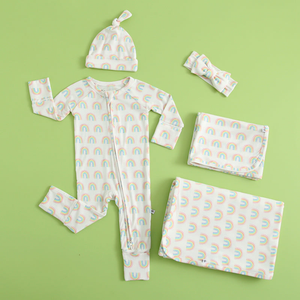
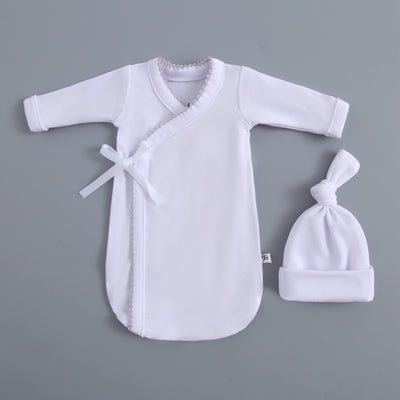
Choosing soft, NICU-friendly clothing makes those moments of touch even more special. Our premature baby clothes for NICU babies are made with ultra-soft bamboo that’s easy on sensitive skin and designed for medical access, letting parents dress their baby with minimal disturbance. Always check with your nurse or doctor before trying new types of touch or clothing, but even these simple, peaceful interactions can deepen your connection.
Take and Share Photos
Photos help you bond by capturing moments you can look back on and share with loved ones. Taking photos or a picture of your baby, and pictures of you with your baby, reminds you of their progress and your growing relationship. Some hospitals also have programs where volunteers take professional pictures for families of NICU babies. Looking at these photos can bring peace and encouragement on hard days.
Create a Routine of Visits and Rituals
Starting routines and bonding rituals early in your baby's NICU stay can have a positive impact on their development and help establish a strong parent-infant connection. A routine gives babies a sense of stability and helps you feel confident in your parenting role. Try to visit at similar times each day, talk or sing to your baby, and do small rituals like playing soft music or reading the same book. Routines help your baby learn what to expect, and they give you comforting patterns when NICU days feel unpredictable. Even short visits count toward strengthening your bond.
Ask for Support From NICU Staff
NICU nurses and doctors are there to support both you and your baby. They can show you safe ways to touch, hold, and care for your baby. Their recommendations for bonding and care are guided by the latest research, ensuring you benefit from evidence-based practices. They can also help answer questions about your baby’s health and what to expect next. Don’t hesitate to ask them about how to strengthen your bond — they want you to feel confident and connected.
Involve Your Partner and Family
Bonding isn’t only about you and your baby. Your partner and other family members, including your other kids, can also help build connection. Partners can talk, read, or sing to the baby, participate in care routines, and offer physical closeness when allowed. Grandparents, siblings, kids, and other loved ones can also send cards, read books on video calls, or bring soft blankets (when permitted) for comfort. This invites a circle of support around you and your baby.
Take Care of Yourself Too
Taking care of a baby in the NICU is emotionally and physically demanding, and staying healthy is essential for your baby's benefit. You bond best with your baby when you also take care of yourself. Moms, in particular, may face unique challenges in the NICU, so prioritizing self-care is especially important for emotional recovery and well-being. Eat well, rest when you can, and reach out to support groups, friends, or counselors if you need help coping. Caring for yourself helps you show up fully for your baby, which deepens your connection over time.
Celebrate Small Moments of Progress
Every little step forward is worth celebrating — from a stable breathing pattern to a calm sleep or successful feeding. These moments reflect your baby's development and support their growth, helping you bond as you witness each milestone. For preterm infants, keep in mind that milestones may be based on your baby's adjusted age (calculated from their due date), not just their birth date, as development can progress differently for NICU babies. Sharing these celebrations with your care team, partner, or family makes them even more meaningful. Remember, bonding doesn’t only happen through big milestones, it happens in tiny moments of connection.