


 Snow
Snow
































How to Take Advantage of Programs as a Parent
Financial assistance comes in many forms -- money, discounts, or services -- that can ease the burden of unexpected costs during a hospital stay. For NICU parents, these programs can be lifesavers. They help cover medical bills, meals, lodging, transportation, and even unpaid time off from work. Navigating these options can feel overwhelming but knowing what's available can take some pressure off so you can focus more on your baby's care.
No parent expects to have their newborn stay in the NICU, and no one should have to go through it alone, especially when it comes to finances. Whether you have insurance or not, there are programs out there designed to help you during this challenging time.
Start With Your Hospital Resources
Your hospital is often the best place to begin when looking for financial help. Most NICUs have a social worker, case manager, or patient advocate on staff who can assist with emergency assistance, access local emergency funds, and help navigate insurance applications. NICU parents can often access emergency assistance through the hospital social worker. They can help you apply for emergency assistance, sign up for Medicaid, or find nonprofit support specific to your state or situation. The hospital billing department may also help with charity care and financial aid programs.
Be sure to ask your NICU team about:
- Financial assistance applications the hospital may offer to lower or forgive medical bills.
- Meal vouchers or meal assistance for parents staying long hours at the hospital.
- Parking passes or transportation help, especially if you're traveling a long distance.
- Ronald McDonald House or similar programs for overnight stays near the hospital.
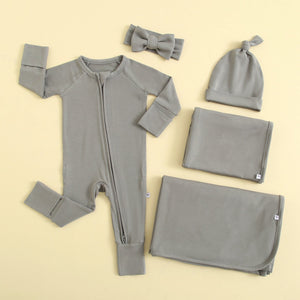
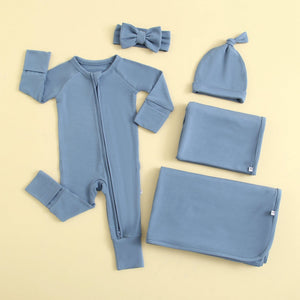
Amid all the logistics, dressing your baby for the first time is a milestone worth celebrating, even in the NICU. At Luxie Charm, we offer ultra-soft bamboo rompers and accessories designed specifically for preemies, with features like double zippers and access points built around medical devices, so you can cherish that moment without worry.
Apply for Government-Supported Financial Assistance Programs
There are several government-based programs that can help NICU families, especially when it comes to covering the cost of care or lost income. Eligibility may depend on your income, employment status, or the length of your baby's hospital stay, and some programs also look at your financial need, with families under 300% of the Federal Poverty Level qualifying for assistance.
These government programs can help cover medical bills and lost income during a NICU stay.
The Family and Medical Leave Act guarantees up to 12 weeks of job-protected unpaid leave, and some states offer Paid Family and Medical Leave to help replace lost wages during family-related medical leave.
Here are a few key programs to consider:
- Medicaid: Provides health coverage for low-income families. Many NICU babies qualify even if their parents don't, and some may qualify for Medicaid as secondary insurance.
- State Children's Health Insurance Program (CHIP): Provides low-cost health coverage to eligible children.
- Supplemental Security Income (SSI): Some NICU babies, especially those born early or with medical challenges, may qualify, and it can provide financial support for children with severe disabilities.
- Women, Infants, and Children (WIC): Offers food assistance, nutritional education, and breastfeeding support for families with infants.
The application process can vary by program, so families should review each program's requirements carefully.
Applying can take time, but it's worth the effort. You can visit Benefits.gov or contact your local Department of Human Services for help starting the process.
Look Into Nonprofit and Community Support for NICU Families
In addition to government aid, many nonprofit organizations offer help to NICU families. These programs vary widely, from grants for travel expenses and transportation costs to care packages, plus help with meals and lodging during NICU stays, and every bit helps. Assistance amounts are often modest, with average help around $300 per family.
Some groups also provide emergency funding for basic needs such as rent, food, and utilities.
Consider reaching out to these organizations:
- Miracle Babies: Offers financial assistance for NICU families, including transportation assistance for families with critically ill newborns and help with basic needs.
- March of Dimes: Provides a wide range of support services, including information on financial assistance and support for families throughout the NICU journey, offering practical guidance and hope.
- The Tiny Miracles Foundation: Helps families in certain regions with support for basic needs and emergency financial aid, and may assist families under stress during a challenging NICU stay.
Also, don't underestimate the power of local churches, community groups, or even GoFundMe campaigns. People want to help -- you just need to let them know how.
Communicate with Your Insurance Provider
Dealing with insurance during a NICU stay can feel like a full-time job, but it's essential. Understanding what your plan covers (and doesn't cover) can prevent surprise bills later on. Call your insurance provider and ask to speak to a case manager, who can help you track claims, appeal denials, and explain your out-of-pocket responsibilities.
Here are some important questions to ask:
- What NICU services are fully or partially covered?
- Are there limits to the number of days my baby can stay in the NICU?
- Will my baby need to be added to the policy within a certain time?
- Are follow-up appointments or therapies covered after discharge?
Keep a notebook or folder with all your insurance calls, paperwork, and billing codes to help you stay organized. The more informed you are, the better you can advocate for your baby and yourself.
NICU Parents: Don't Be Afraid to Ask for Help
Asking for help, especially financial help, can feel uncomfortable. But remember: these programs exist because people know how tough this journey can be, and financial assistance for NICU families can include hardship grants and disability benefits. You are not alone, and you are not a burden. You are a parent doing everything you can for your baby, and that's something to be proud of as this experience can disrupt daily life.
It's okay to take it one step at a time. You might not find every answer in one day, but every call you make or form you fill out is a step toward relief. Requests for help are common and worth making even when the process feels hard. Accept support where you can and remind yourself that your focus right now should be on your baby's healing and your own well-being. Share any concerns and ask questions if any program requirement or support offer is unclear.
Help Is Out There
Financial worries shouldn't keep you from being present with your baby in the NICU, and support may begin during a high-risk pregnancy or after pregnancy complications, not only after delivery. While the system can be complex, help is out there. From hospital staff to nonprofit programs to state and federal aid, you have a network of organizations committed to helping NICU families, including those caring for children with special needs, ready to walk this journey with you.
Small moments of joy matter too, and we believe every NICU family deserves them. That's why we donate $1 from every purchase to the March of Dimes, so when you shop with us, you're supporting your baby and the broader NICU community at the same time.

You're doing your best, and that is more than enough. With a little guidance and a few phone calls, you can find the resources that lift some of the weight off your shoulders. Take a deep breath, reach out, and take the next step, keeping in mind that eligibility can depend on your child's age or medical situation. You and your baby are worth it.